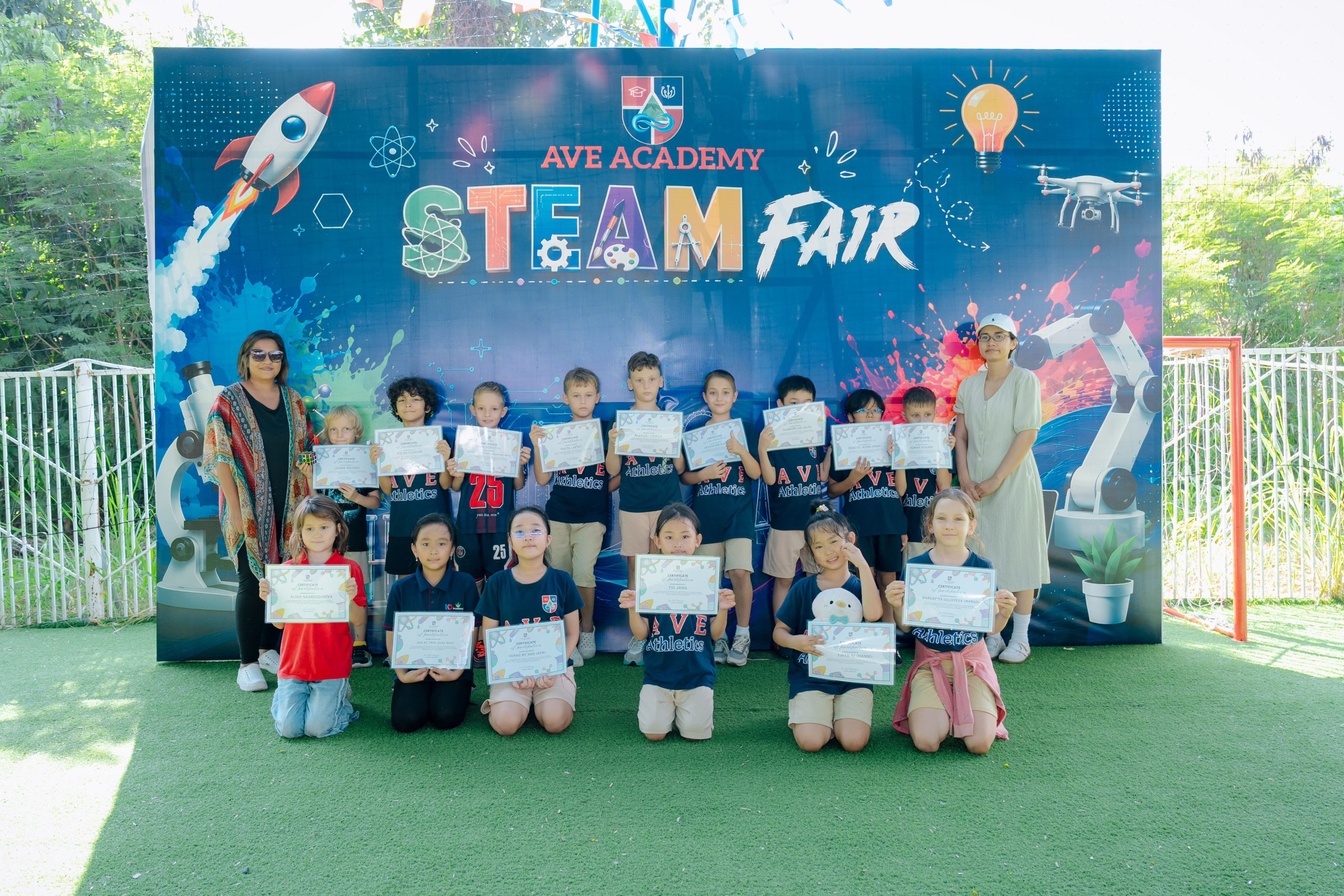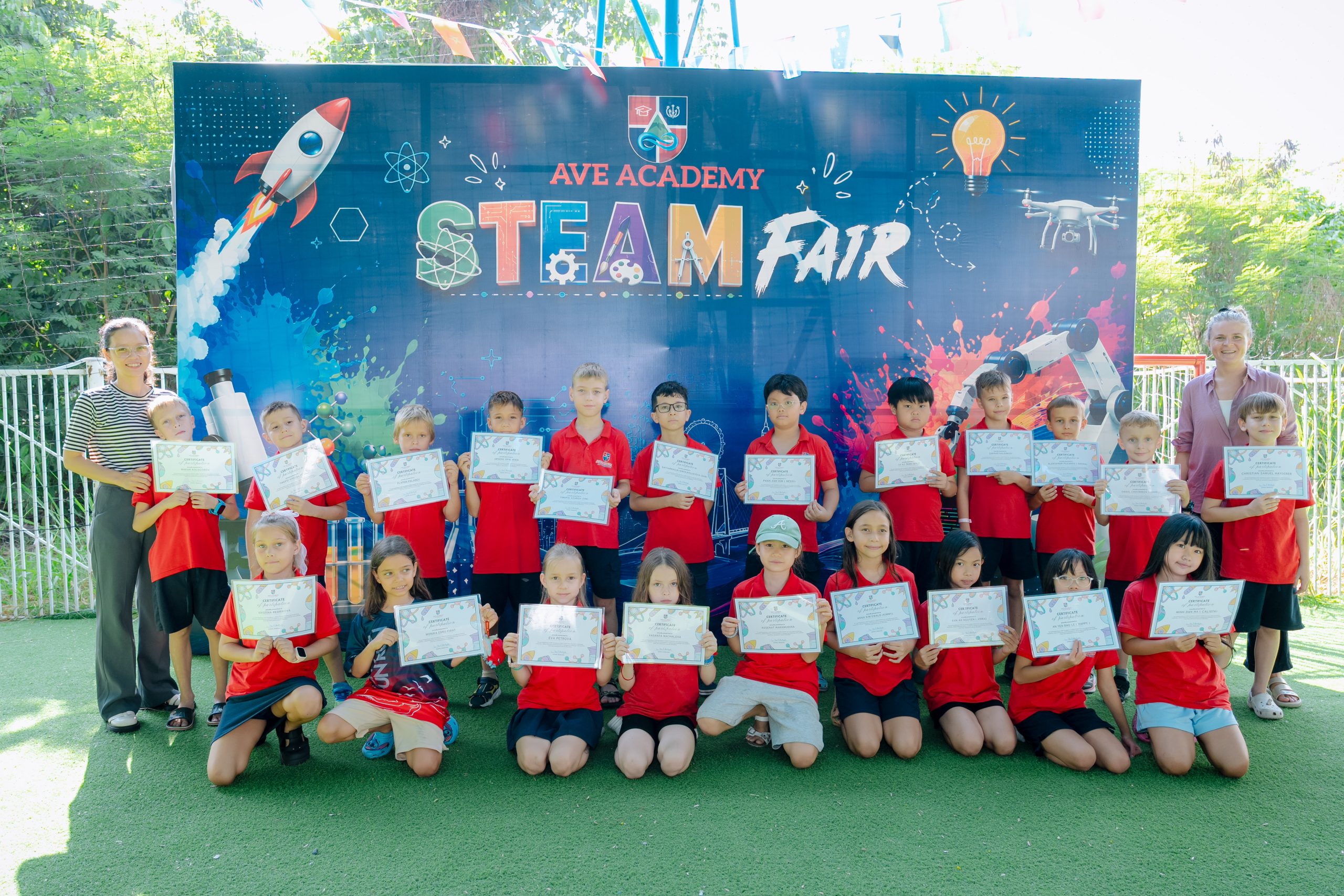


AVE Academy STEAM Fair 2026: Highlights from All Three Campuses in Nha Trang
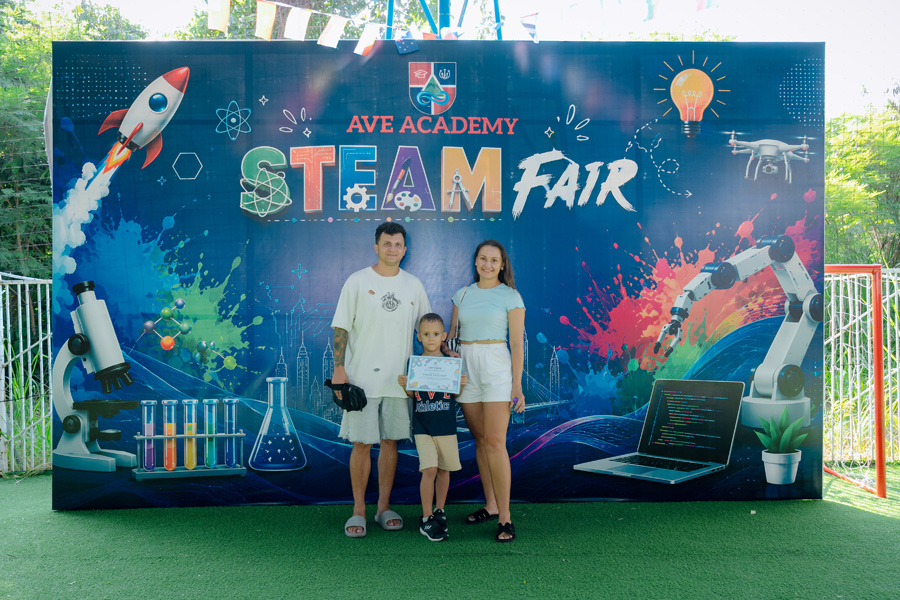
The AVE Academy STEAM Fair is one of the most anticipated events in our school year, and the 2026 edition showed exactly why. Over two remarkable days, students across all three of our Nha Trang campuses stepped up as scientists, engineers, and problem-solvers — presenting original projects that reflected months of hard work, creative thinking, and genuine academic ambition.
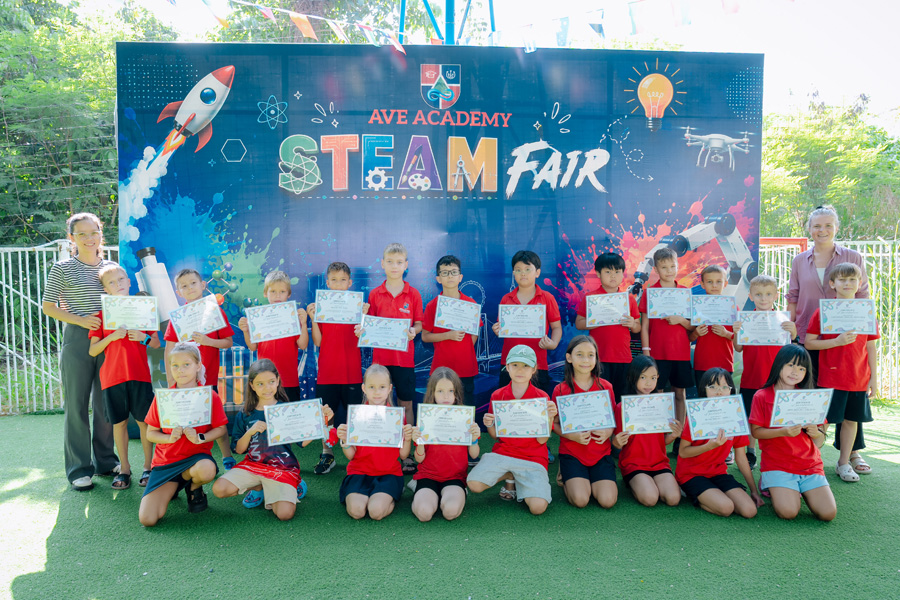
A Two-Day Celebration Across Three Campuses
Day One: Opening Ceremony and the Campus One Challenge
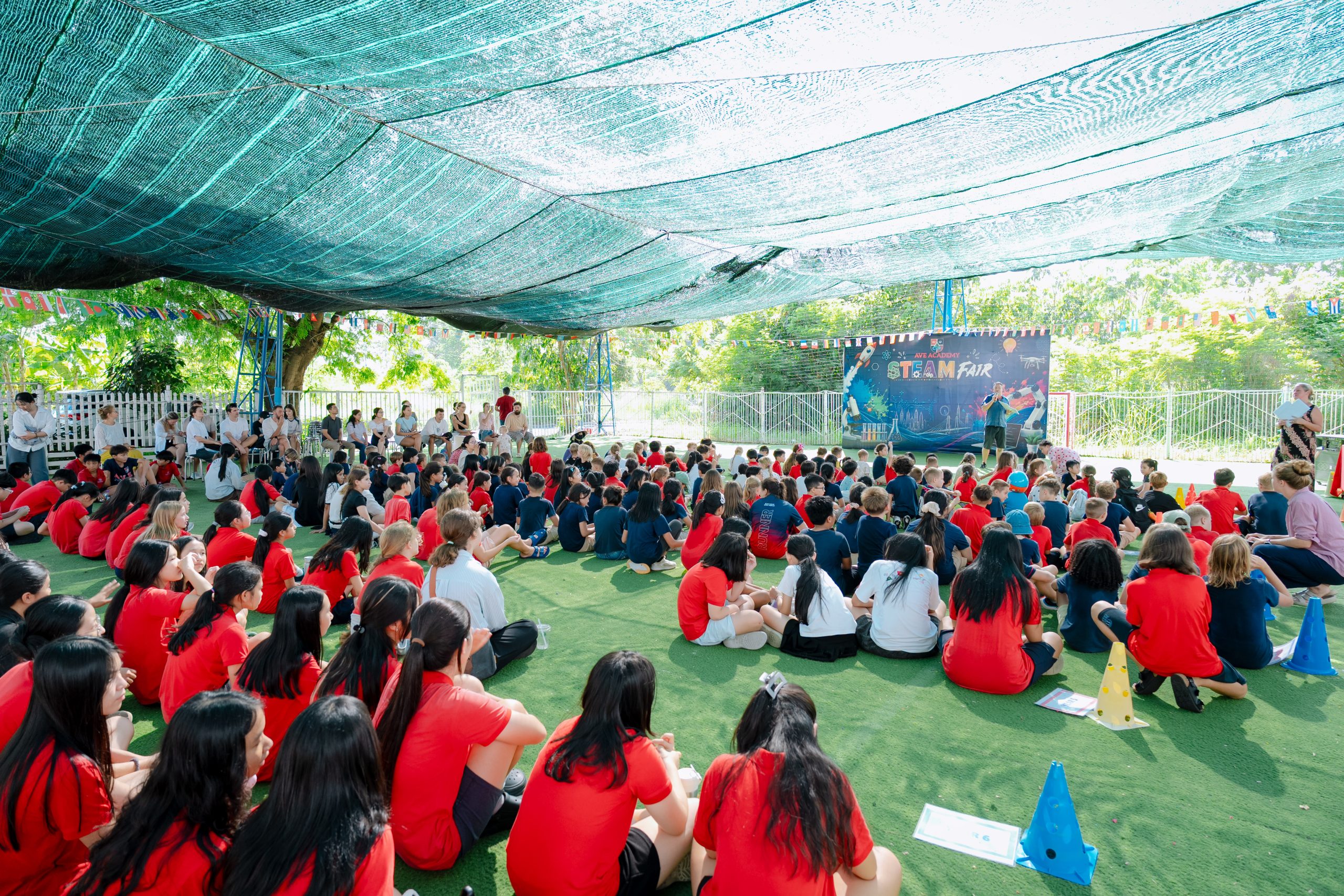
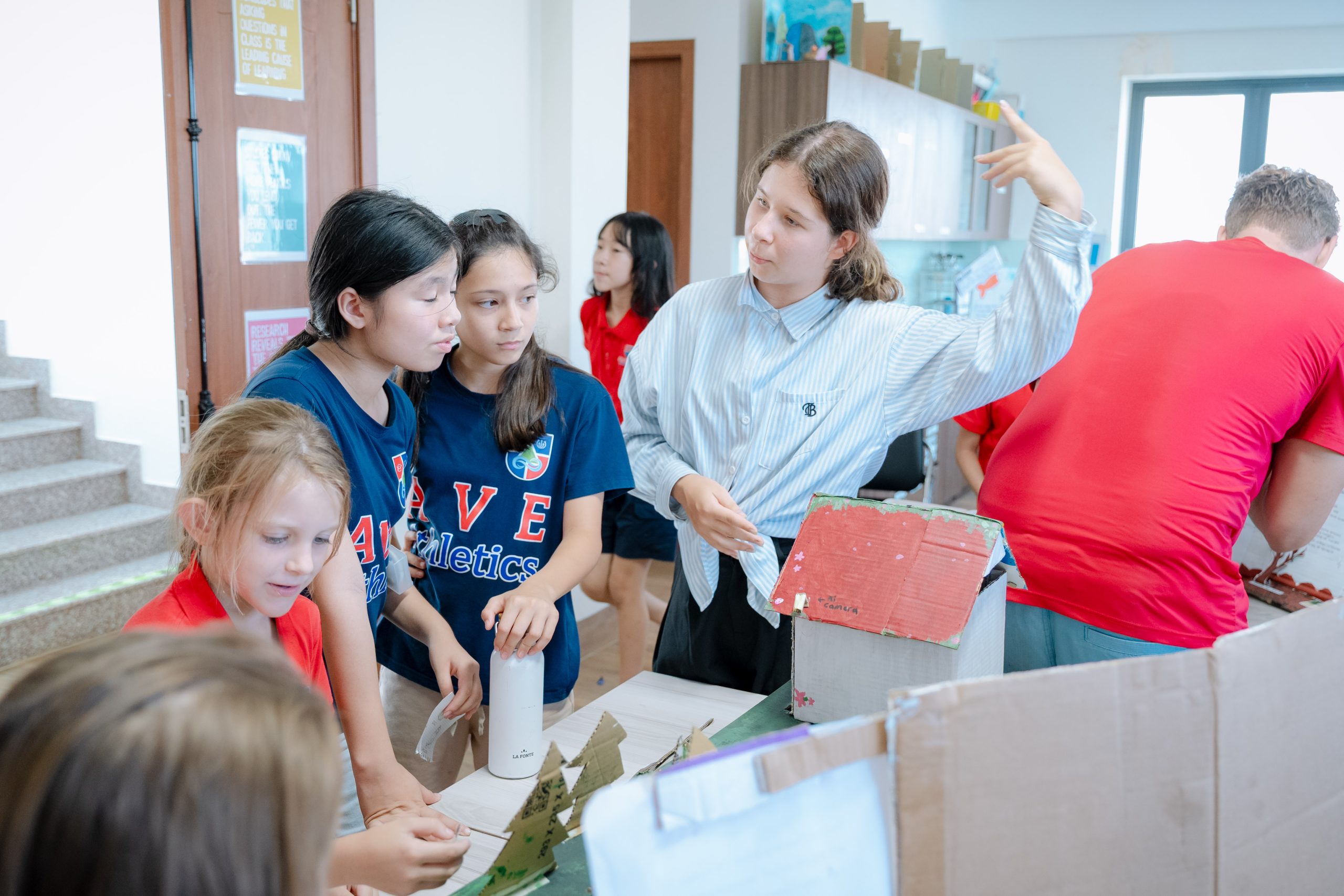
The fair kicked off at Campus One with an opening ceremony that set the tone perfectly. Before the project presentations began, parents were invited into the Campus One playground to take part in a series of mini science puzzles — hands-on challenges that had families working together, laughing, and thinking like scientists from the very first moment.
It was a reminder that STEAM education at AVE is not something that happens behind closed doors. It is a community effort, and our parent community rose to the occasion.
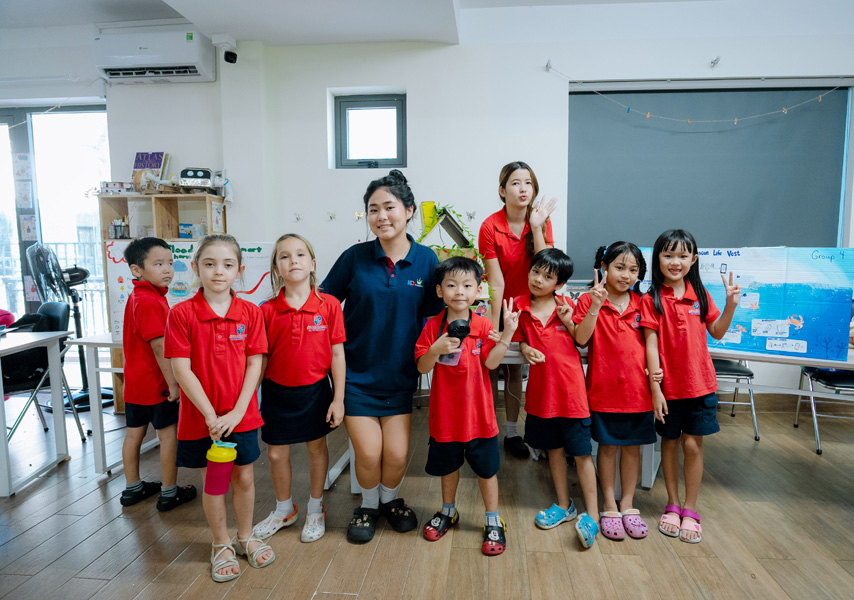
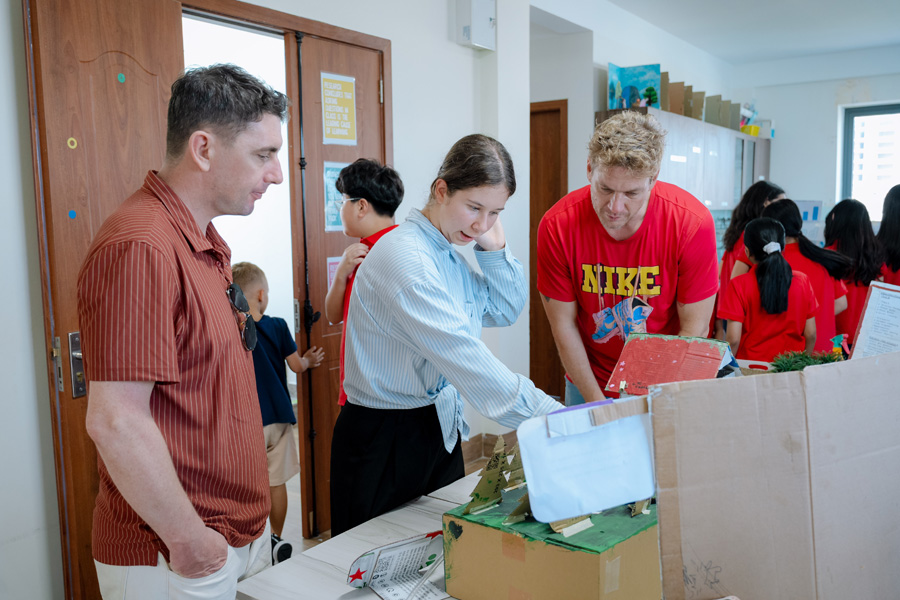
From there, teachers, students, and parents moved from classroom to classroom, engaging with projects, asking questions, and celebrating the remarkable range of ideas on display. Campuses One and Two were covered on the first day, with Campus Three taking centre stage on day two.
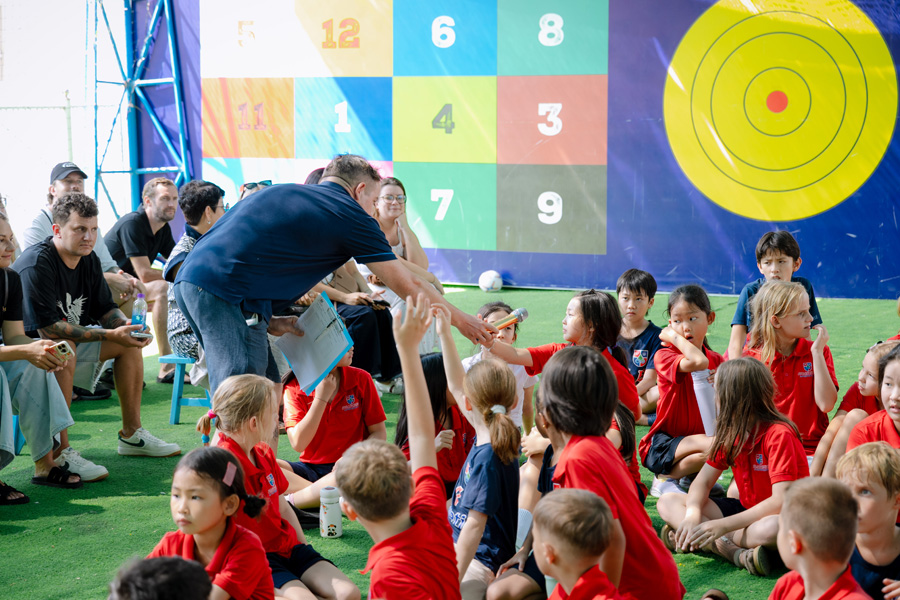
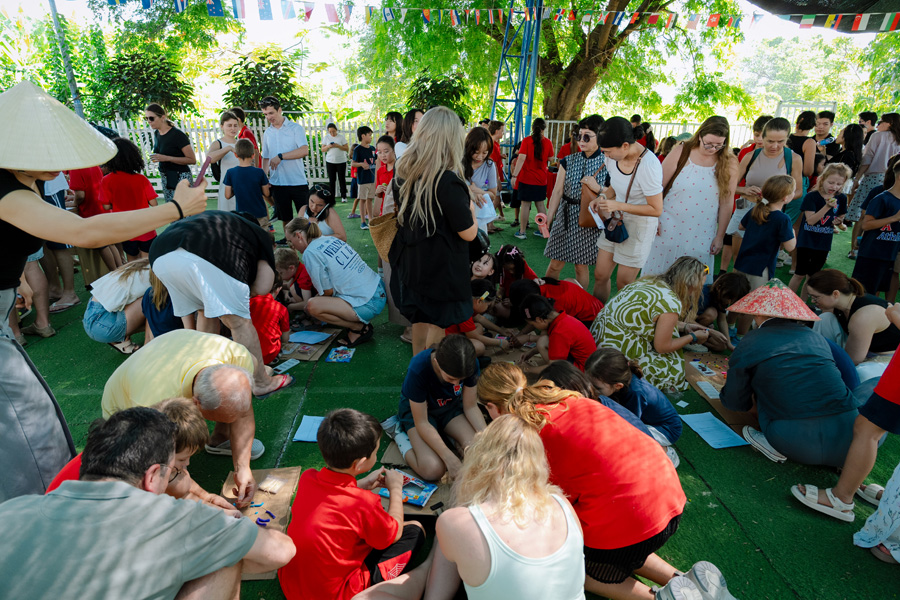
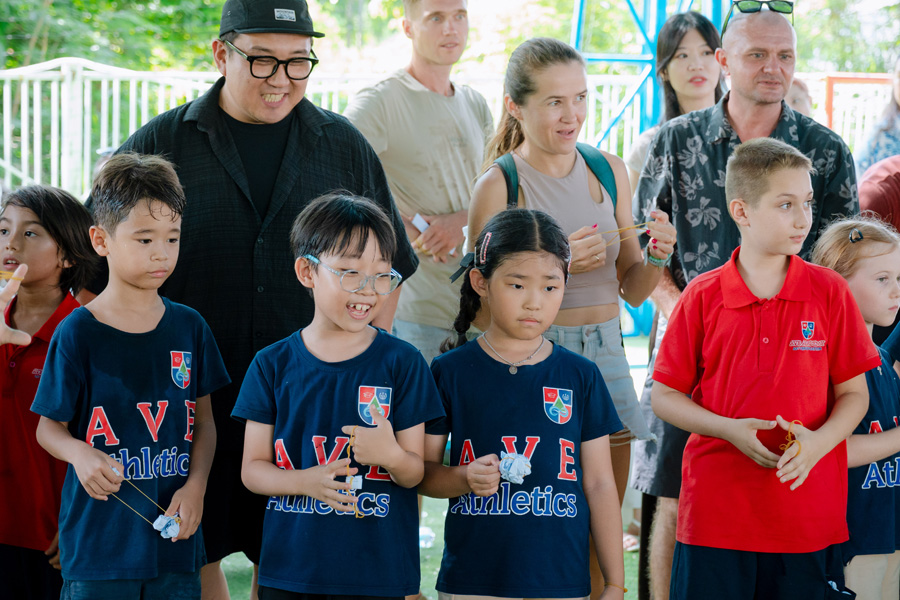
The Science Behind the Projects
Real-World Problems, Student-Led Solutions
Students were not simply building models or memorising facts. Every participant was required to apply the scientific method from start to finish: identifying a problem, forming a hypothesis, designing and building a project, testing it, measuring outcomes, and drawing conclusions.
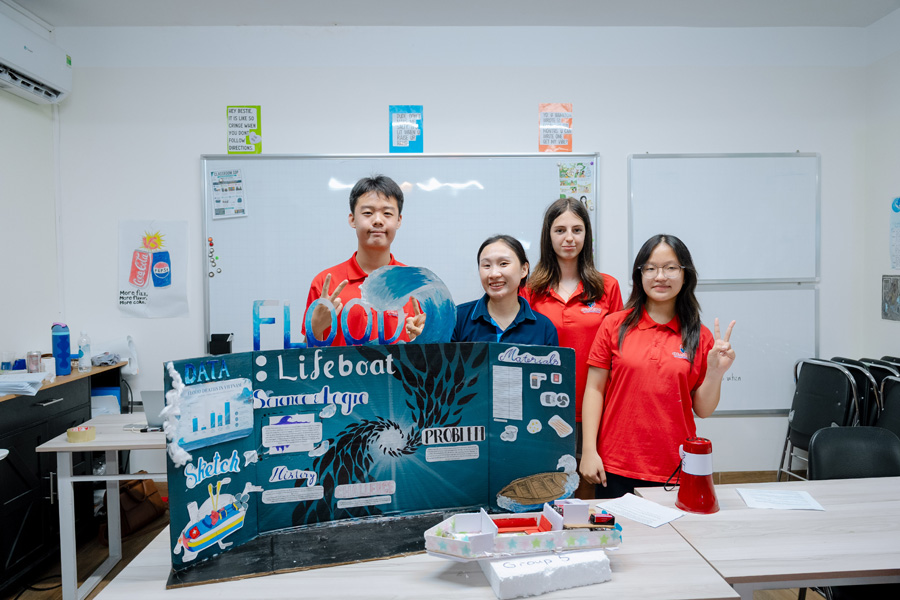
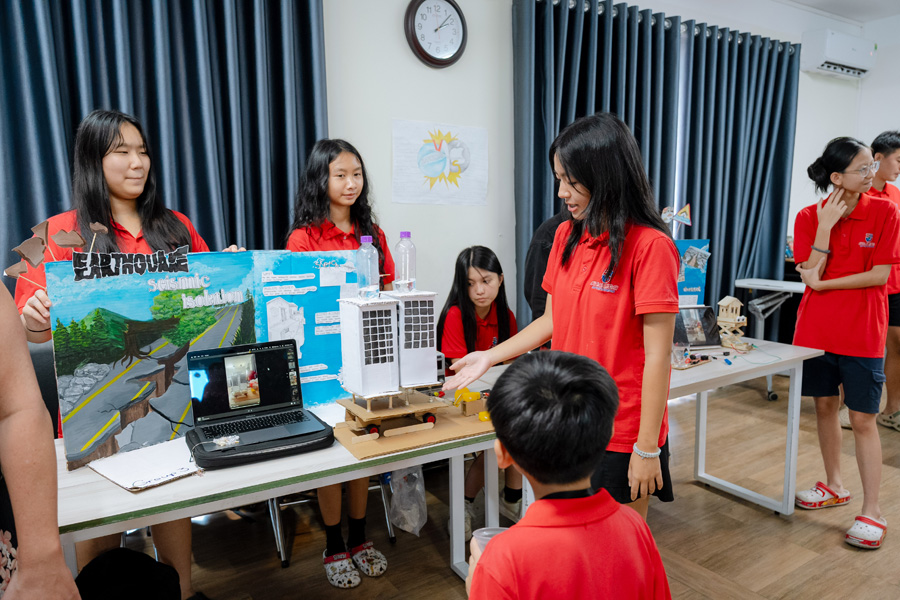
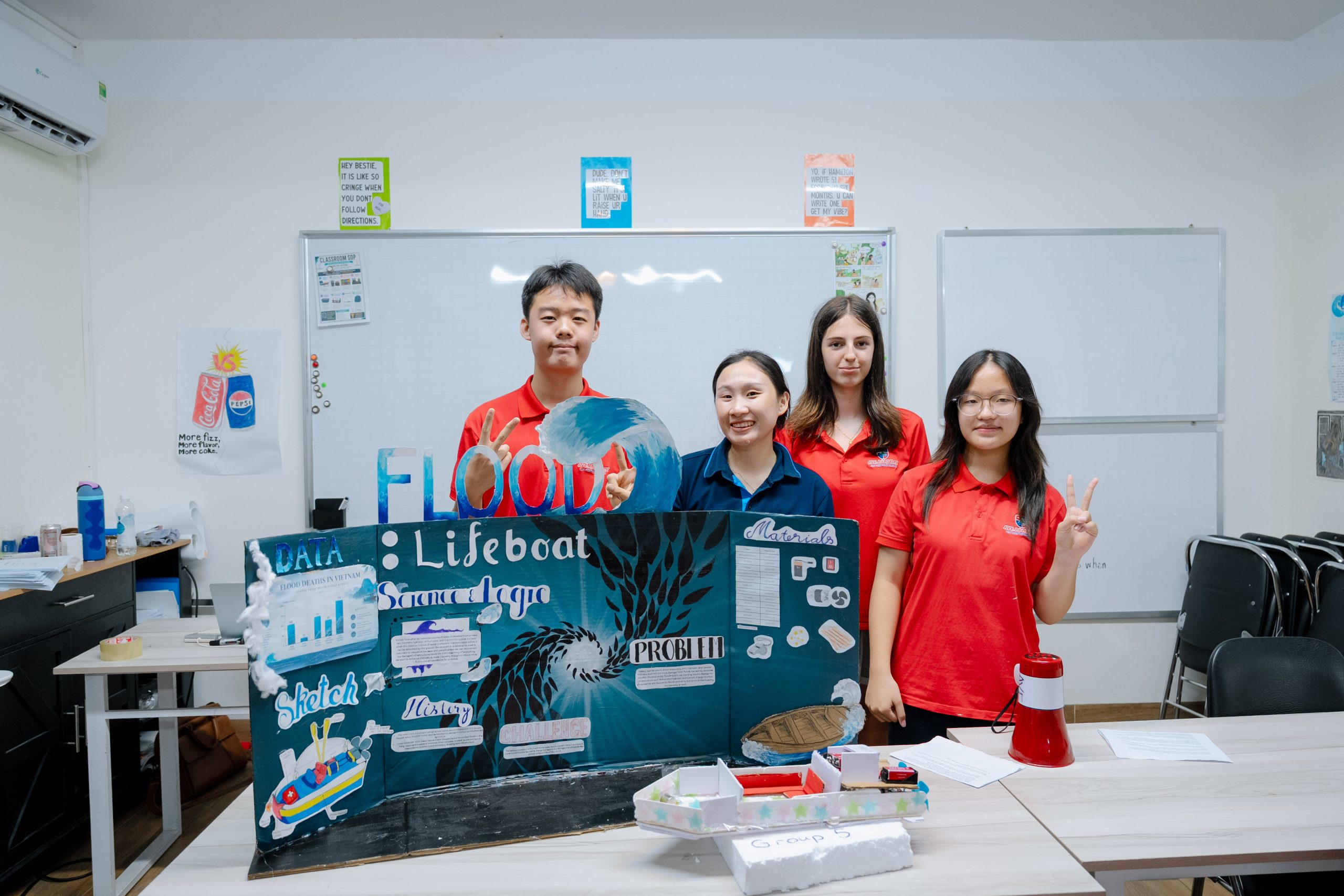
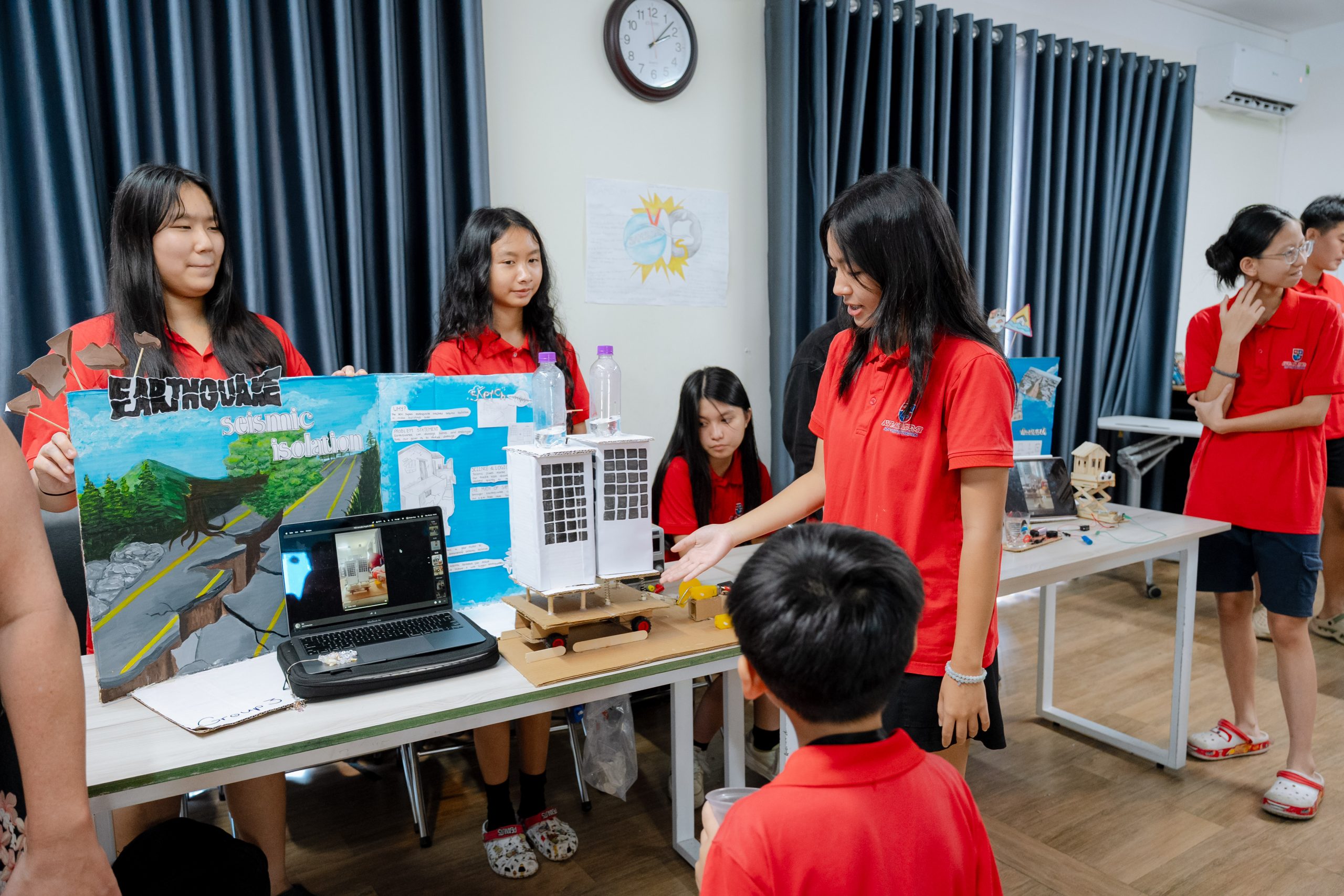
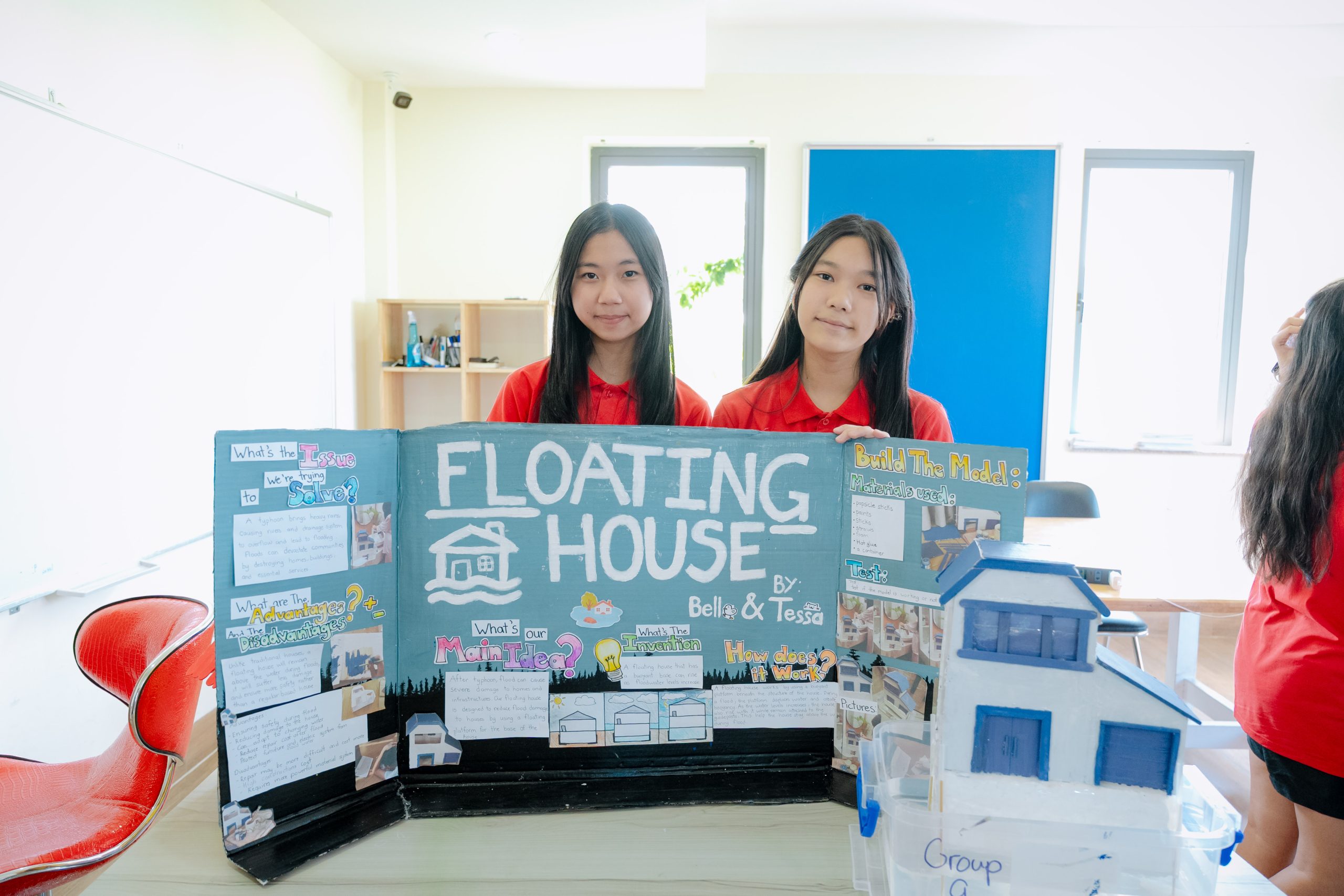
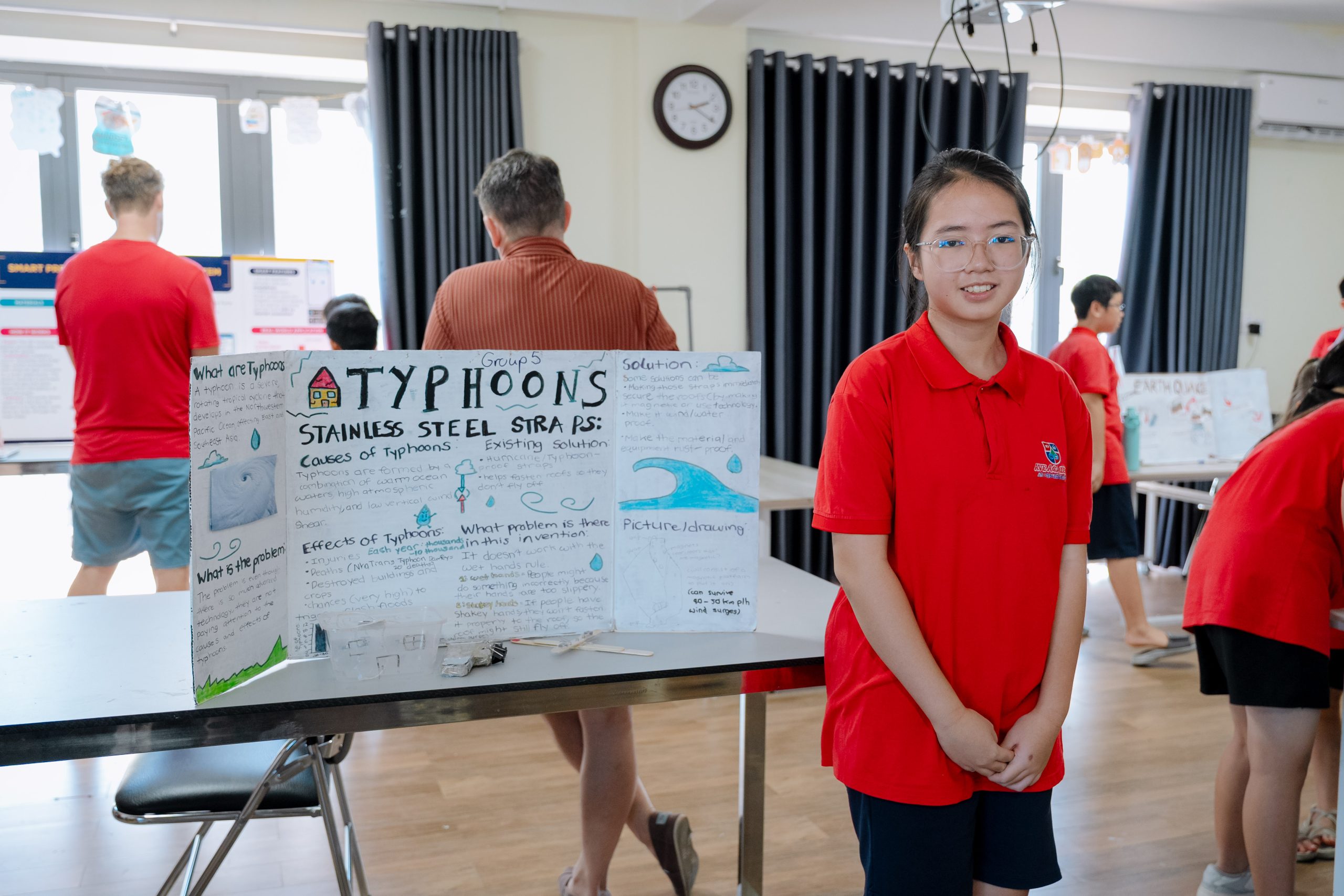
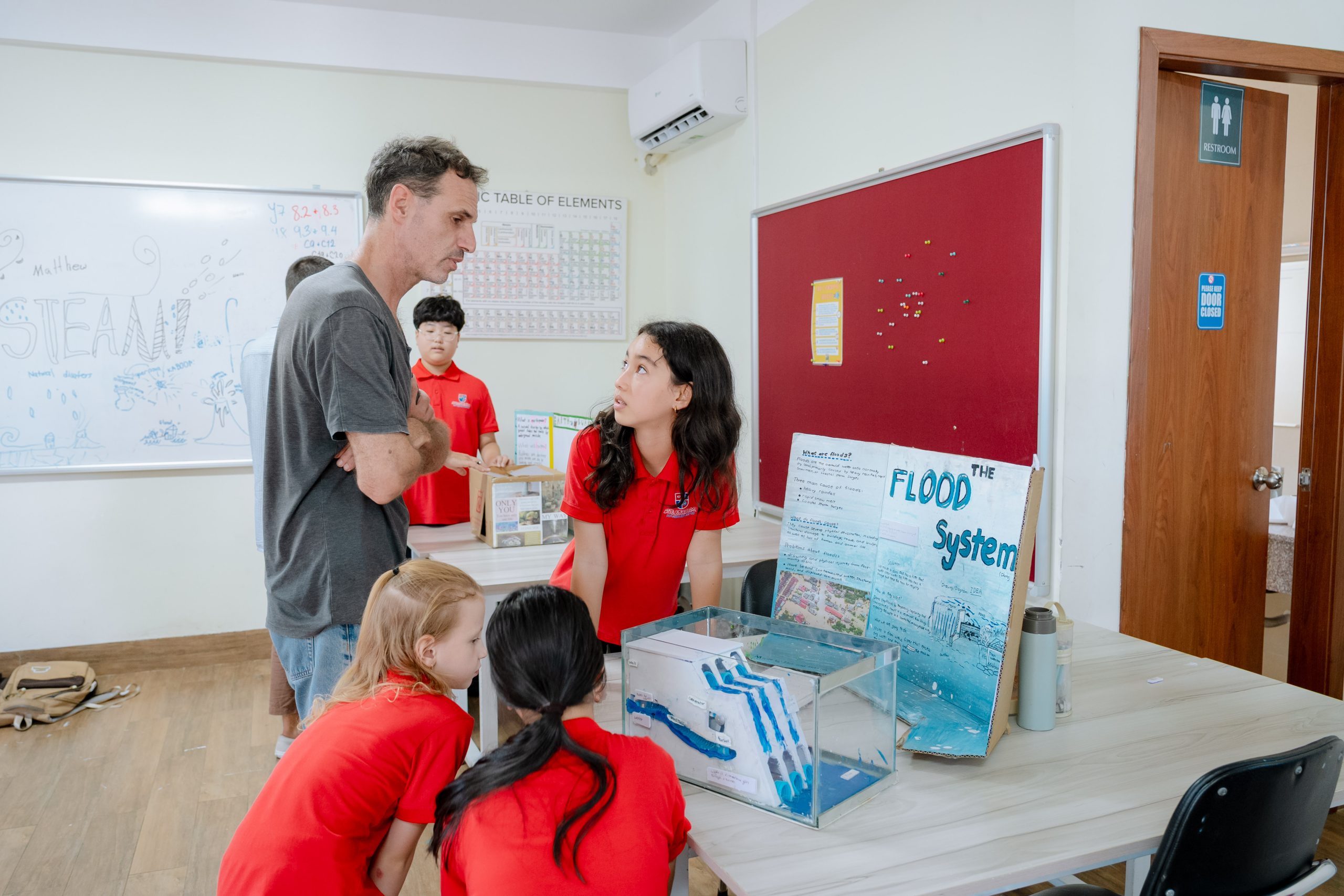
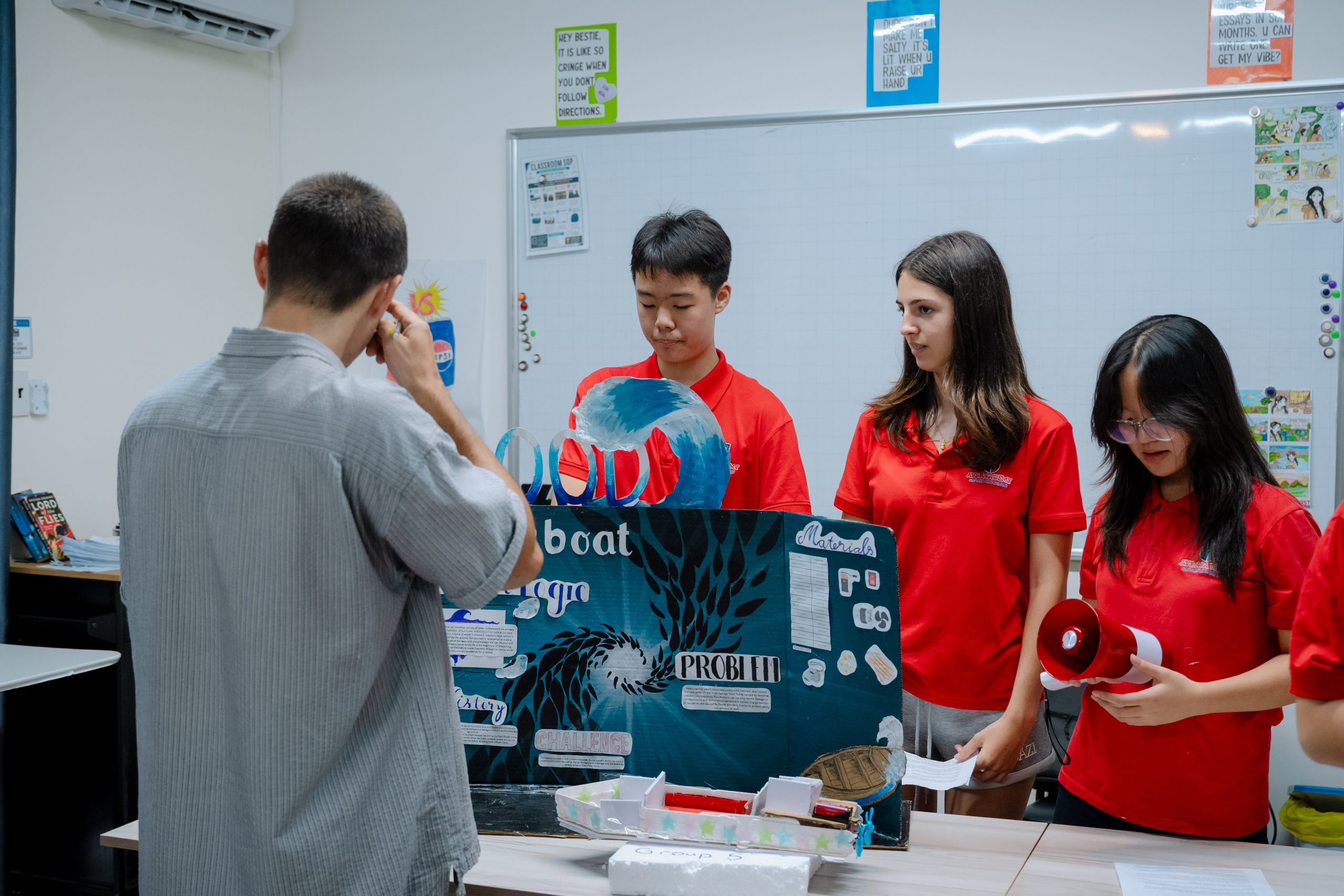
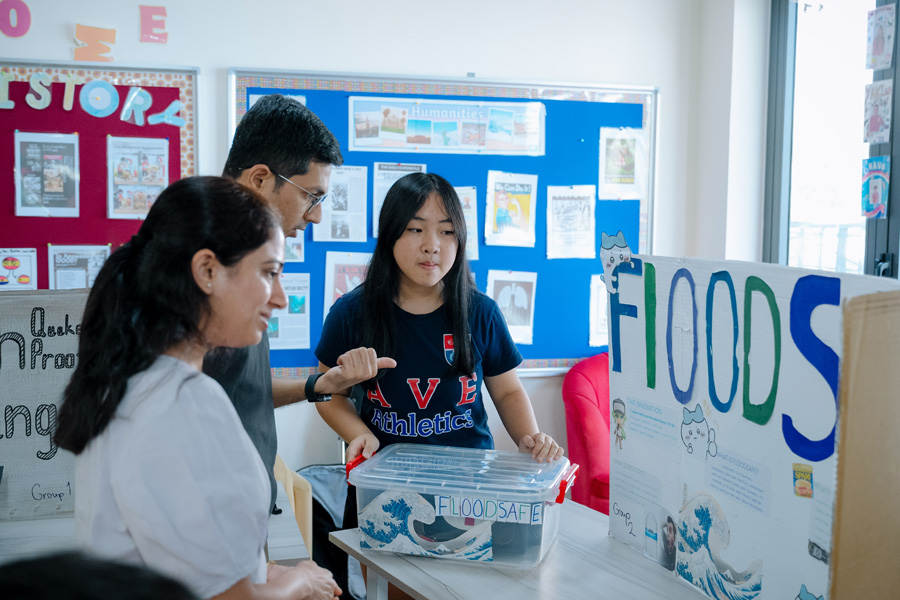
Many students worked in groups, though a number chose to go solo — each approach producing its own impressive results. Across the campuses, projects tackled some of the most pressing issues of our time: climate change, soil erosion, drought, and natural disaster mitigation including earthquakes, floods, typhoons, and tsunamis. The depth of research and the quality of the presentations made it clear that these students had spent serious time — over a month in science class and at home — developing something they genuinely cared about.
Design, Engineering, and Electronics
Circuits, Systems, and Creative Problem-Solving
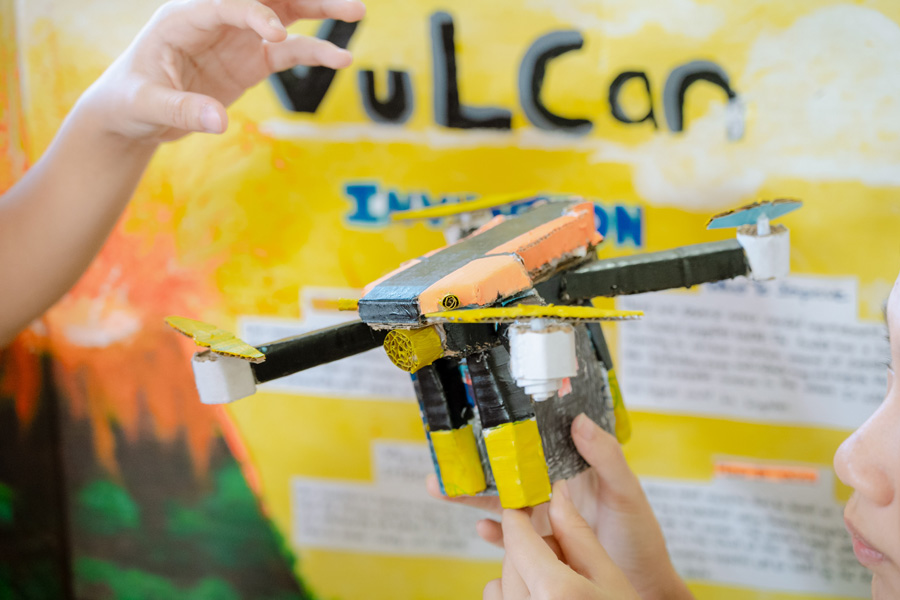
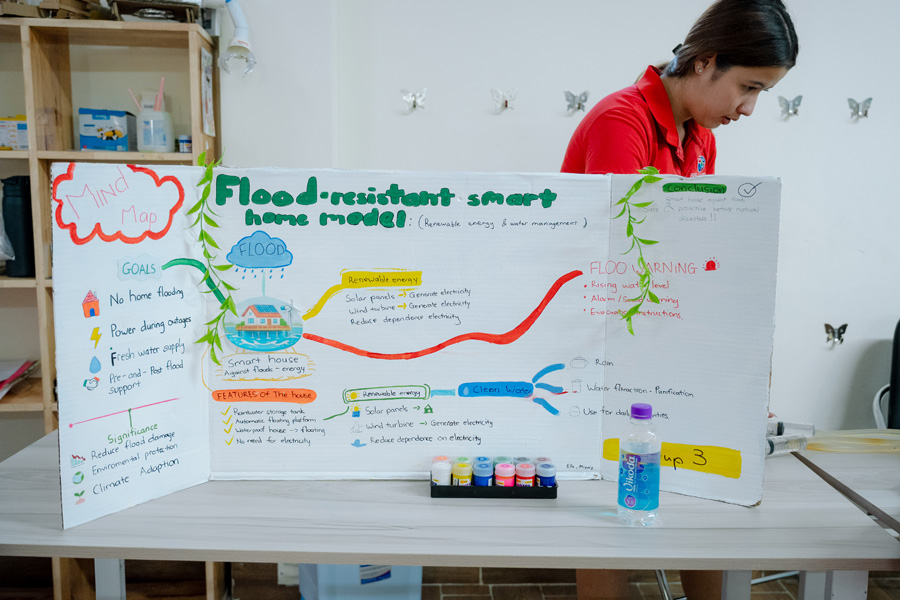
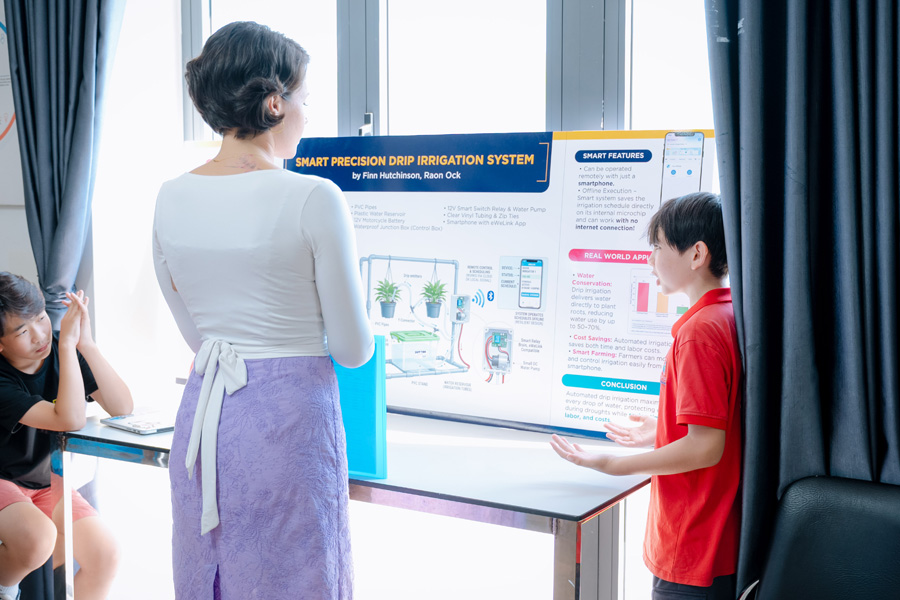
STEAM at AVE goes well beyond biology and earth science. This year’s fair included a striking number of projects focused on design and engineering, with students building intricate circuits, working with electronics, and applying precise measurement to test their designs. The engineering projects in particular drew crowds — watching a student explain the mechanics of a hydraulic system or a flood warning circuit to a group of parents and peers is one of those moments that makes you understand what STEAM education is really for.
Prize Winners
Three prizes were awarded per campus, recognising the most outstanding projects of the fair.
Campus 1 — Prize Winners
🥇 1st Place — Year 2A (Ms Holly): Anna B, Lucas, Mark, Felix, and Milana — Medical and Shelter Home
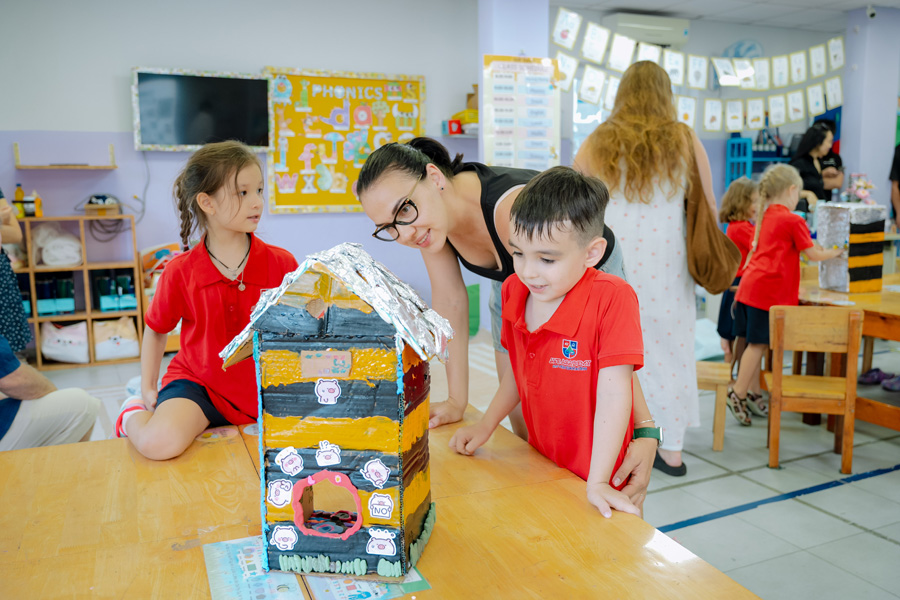
This group built two complementary emergency structures for a flooded gnome community. The first was a Medical and Shelter Home: a raised structure providing safe refuge, medical support, and emergency supplies during flood events. The second was a Water Supply Home, an elevated emergency water station complete with tanks and pipes to ensure the gnome village had access to clean drinking water when it needed it most. Inventive, compassionate, and brilliantly presented.
🥈 2nd Place — Year 2A (Ms Holly): Erik, Berry, Casey, Eva, and Ilia — Clean Water Building
Also working to solve the flooding crisis facing their gnome village, this group focused entirely on the water supply challenge. Their elevated Water Supply Home used tanks and piping to store and protect clean water during emergencies — a project that showed a clear understanding of why access to safe water is the most critical need in any disaster scenario.
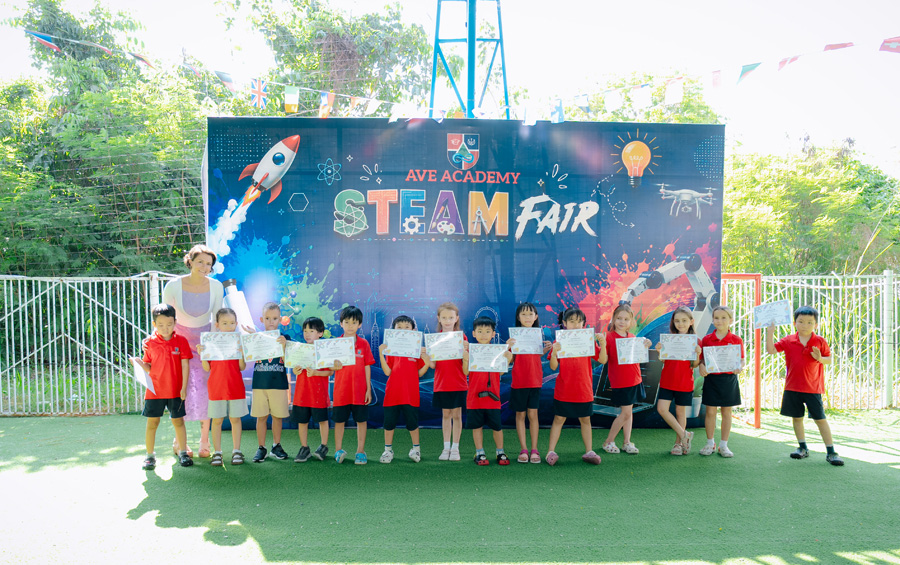
🥉 3rd Place — Year 1A (Ms Ashley): Dema, Ina, Jiyu, Mateo, Sophie, and Deniz — Water Filtration Hive
A standout project from our youngest participants. This group built a working water filtration system using gravel, sand, and cotton to remove dirt from water, then used their model to explore the science of water purification and why clean water matters for human health and the environment. Remarkable depth of understanding from Year 1 students.
Campus 2 — Prize Winners
🥇 1st Place — Year 5 (Ms Angie): Yuval, Dariya, and Mikhail — The Floating City
This group designed a floating city engineered to thrive in a world of rising seas. The city rises with water levels to stay flood-safe, uses nets and filters to capture ocean plastic, and generates clean energy from the sun and waves to convert saltwater into safe drinking water. A project that tackled climate change, pollution, and water security all at once — and did it convincingly.
🥈 2nd Place — Year 3 (Ms Megan): Christian — The XX Satellite and Supernova Shield
A solo project of extraordinary imagination. Christian designed a satellite capable of detecting dangerous supernova explosions from space and deploying an invisible planetary shield — described as a strong glass bubble — around Earth to block the resulting heat, radiation, and energy. The project demonstrated a genuine understanding of space science and disaster mitigation thinking applied on a cosmic scale.
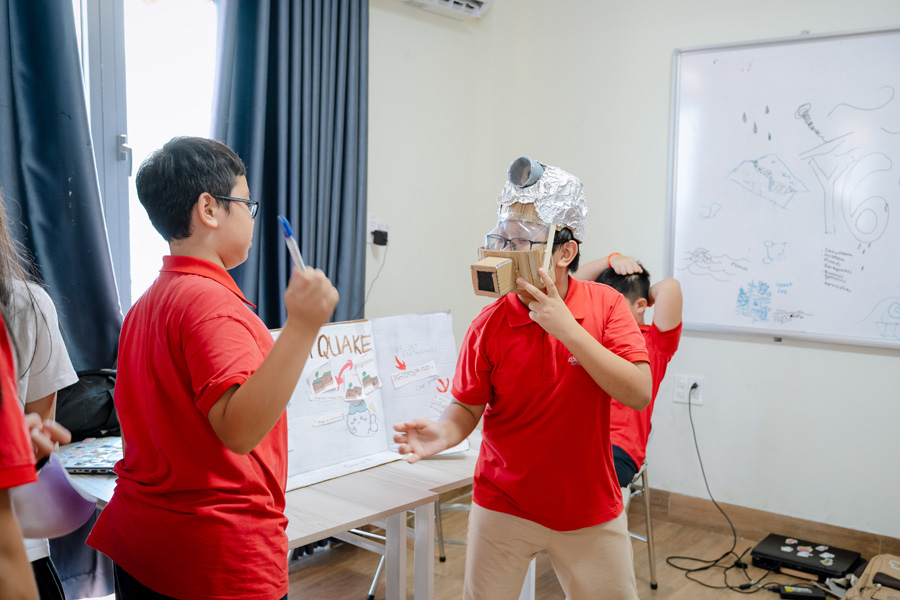
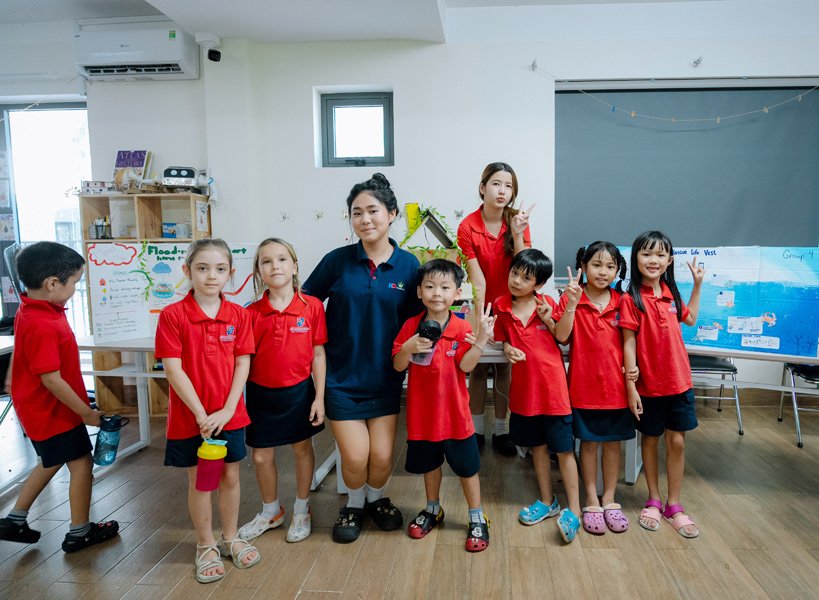
🥉 3rd Place — Year 4B (Ms Alannah): Mathilde, Vani, and Ayun — Tsunami Emergency Life Jacket
This group designed a life jacket purpose-built for tsunami survival, equipped with food, water, medical supplies, a phone, and signal flares to help wearers survive and be rescued. Practical, well-researched, and grounded in real-world emergency response — exactly the kind of engineering thinking STEAM education is designed to develop.
Campus 3 — Prize Winners
🥇 1st Place — Year 6 (Ms Joya): Mahi — Droughts and Soil Erosion
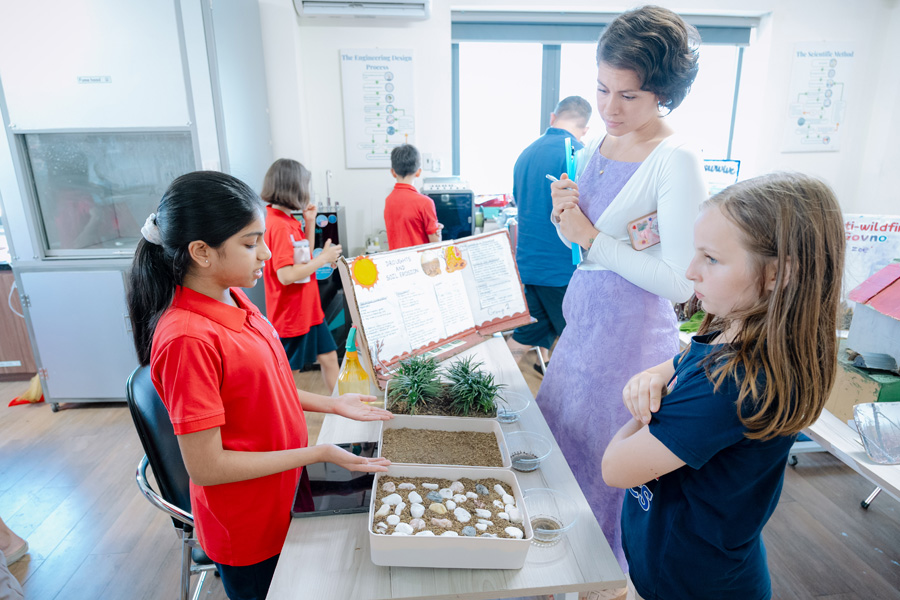
Mahi explored the impact of drought and soil erosion, designing a three-tray soil erosion test to investigate whether ground cover protects soil during water runoff. Her methodology was rigorous and her conclusion was clear: grass provides the strongest protection against soil erosion. A beautifully executed solo project that earned every point of its first-place finish.
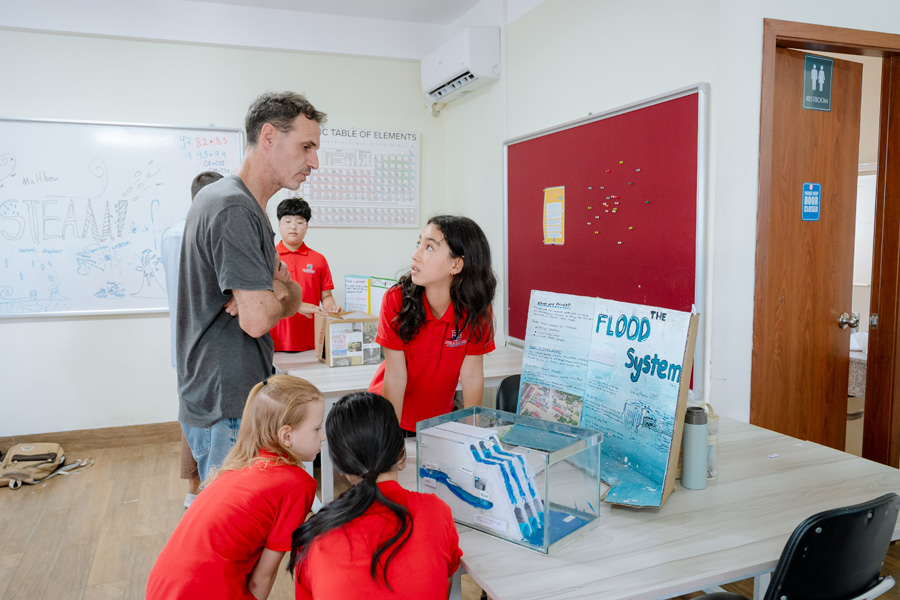
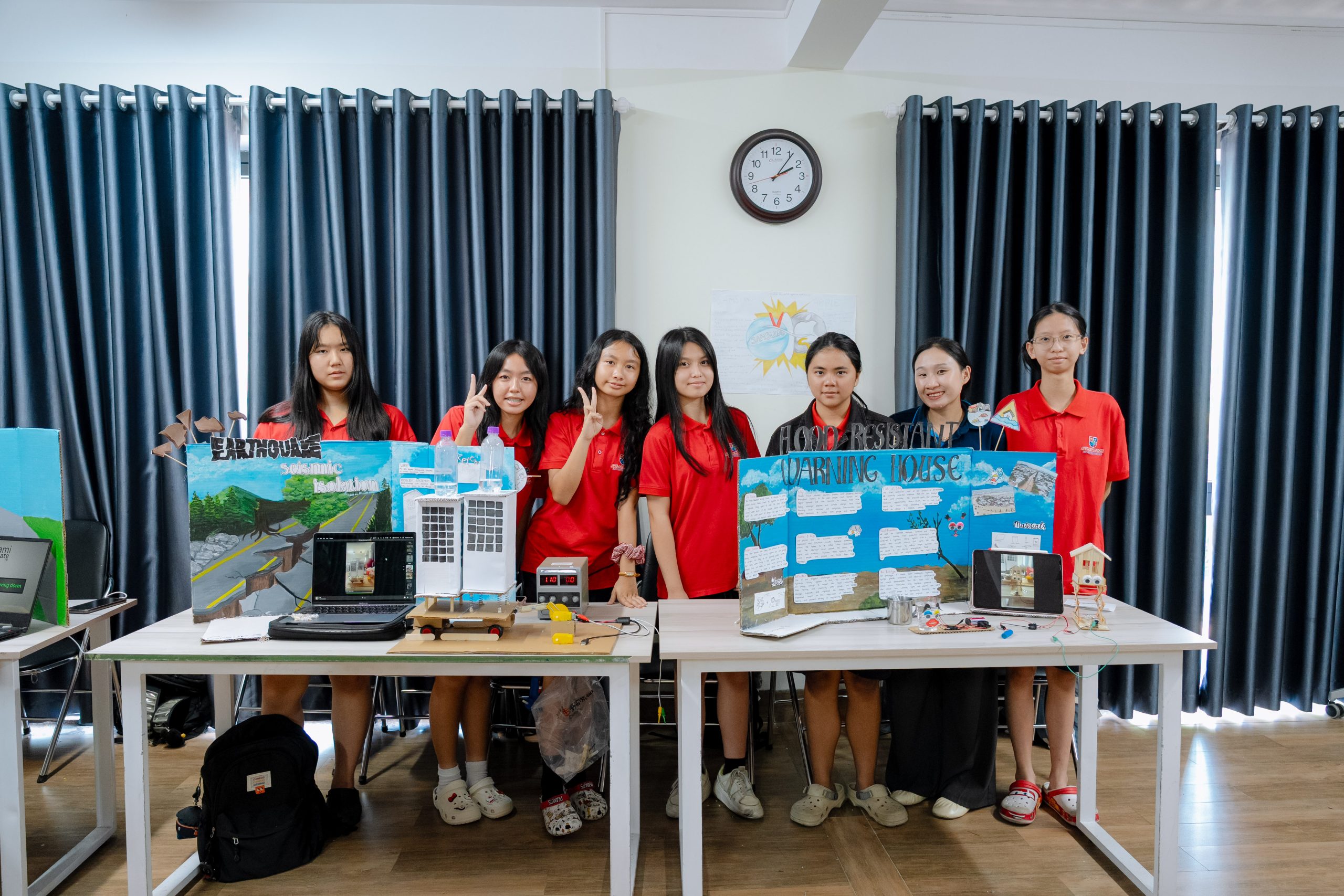
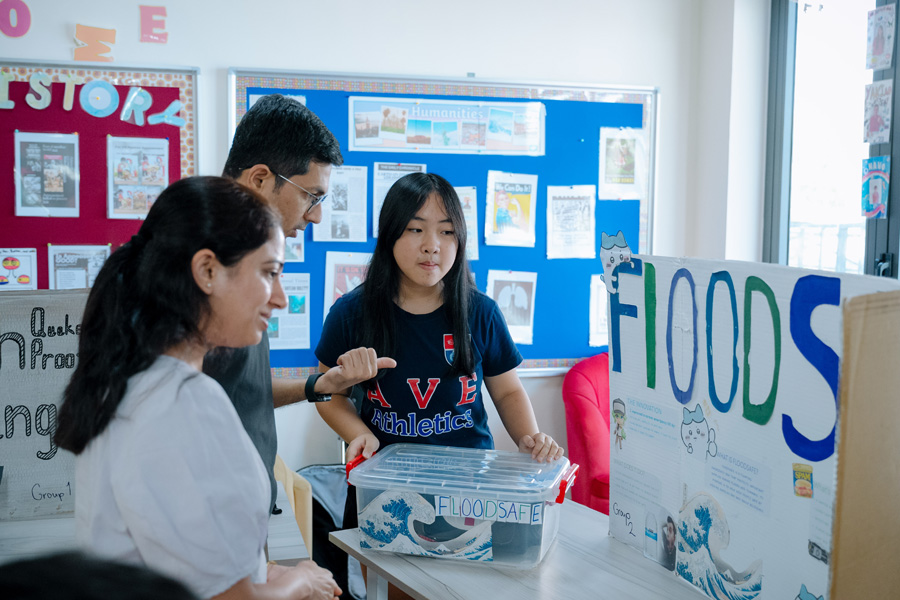
🥈 2nd Place — Year 8 (Mr Matt): Rose, Mia, and Xuka — Flood Resistant Warning House
Inspired by real flooding events in Nha Trang, this group designed two working models: a hydraulic lifting system that raises a house as water levels rise, and a flood warning alarm that alerts occupants to danger before it is too late. The combination of practical engineering and local relevance made this project stand out.
🥉 3rd Place — Year 8 (Mr Matt): Didi, Eva, and Milana — Engineering for Coastal Resilience
This group took a broader view, exploring five core disaster mitigation strategies used by engineers and urban planners worldwide: blocking, avoiding, steering, retreating, and slowing water. Their project examined how each approach is applied in real coastal environments and what it means for communities facing a future of more frequent extreme weather. Ambitious in scope and impressive in execution.
🥈 2nd Place — Year 8 (Mr Matt): Rose, Mia, and Xuka — Flood Resistant Warning House
Inspired by real flooding events in Nha Trang, this group designed two working models: a hydraulic lifting system that raises a house as water levels rise, and a flood warning alarm that alerts occupants to danger before it is too late. The combination of practical engineering and local relevance made this project stand out.
🥉 3rd Place — Year 8 (Mr Matt): Didi, Eva, and Milana — Engineering for Coastal Resilience
This group took a broader view, exploring five core disaster mitigation strategies used by engineers and urban planners worldwide: blocking, avoiding, steering, retreating, and slowing water. Their project examined how each approach is applied in real coastal environments and what it means for communities facing a future of more frequent extreme weather. Ambitious in scope and impressive in execution.
Why STEAM Matters at AVE Academy
Building the Skills the Future Actually Needs
At AVE Academy, STEAM is not a box to tick. It is a core part of how we believe education should work. The ability to identify a problem, test a solution, learn from failure, and communicate findings clearly are skills that matter in every field and every future career.
The STEAM Fair gives students the chance to own their learning in a way that classroom lessons alone cannot replicate. Watching a Year 6 student explain the science of soil erosion to a parent, or a group of Year 8 students walk through the engineering logic of a hydraulic system, it is easy to see what a Cambridge education looks like when it is working at its best.
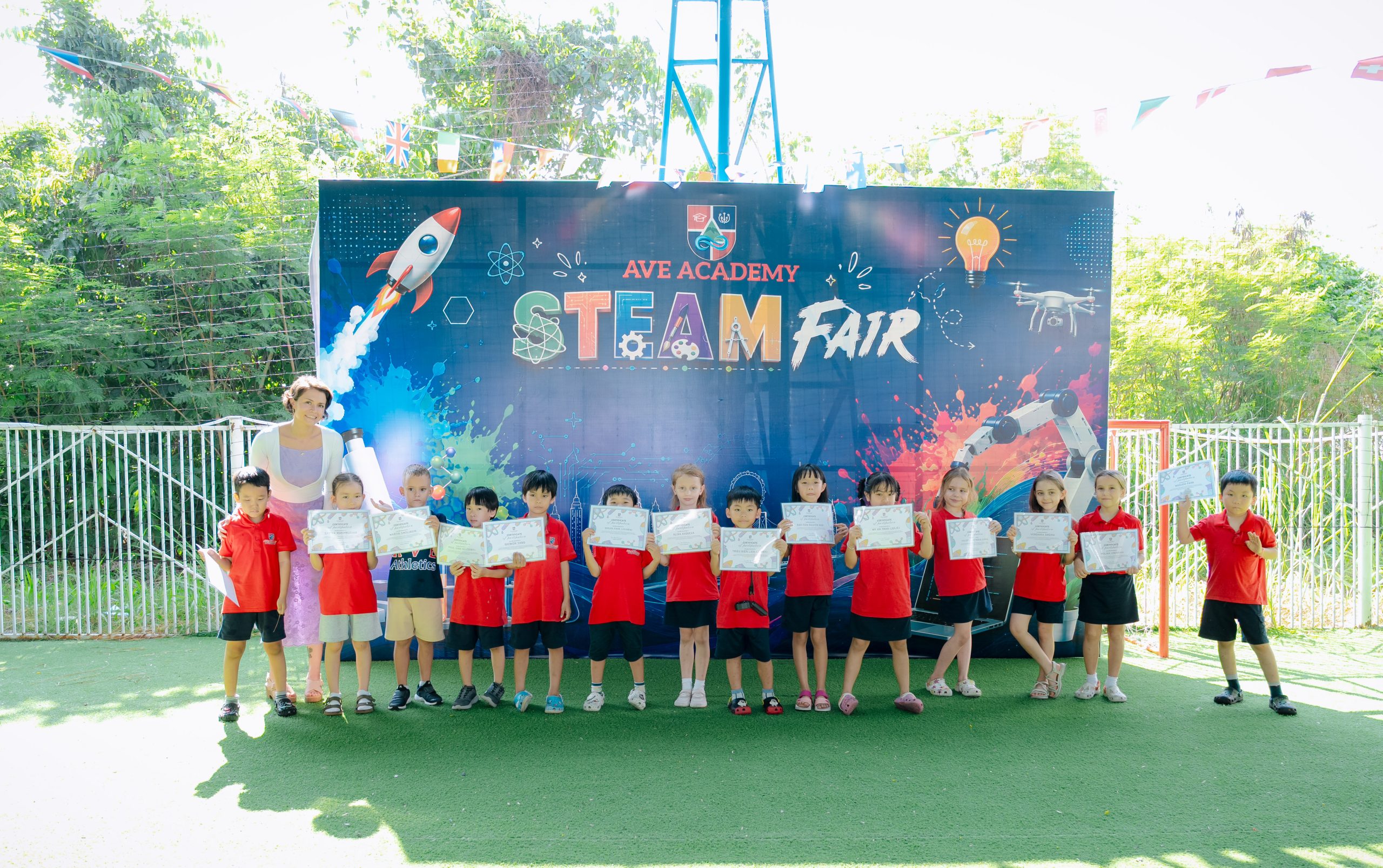
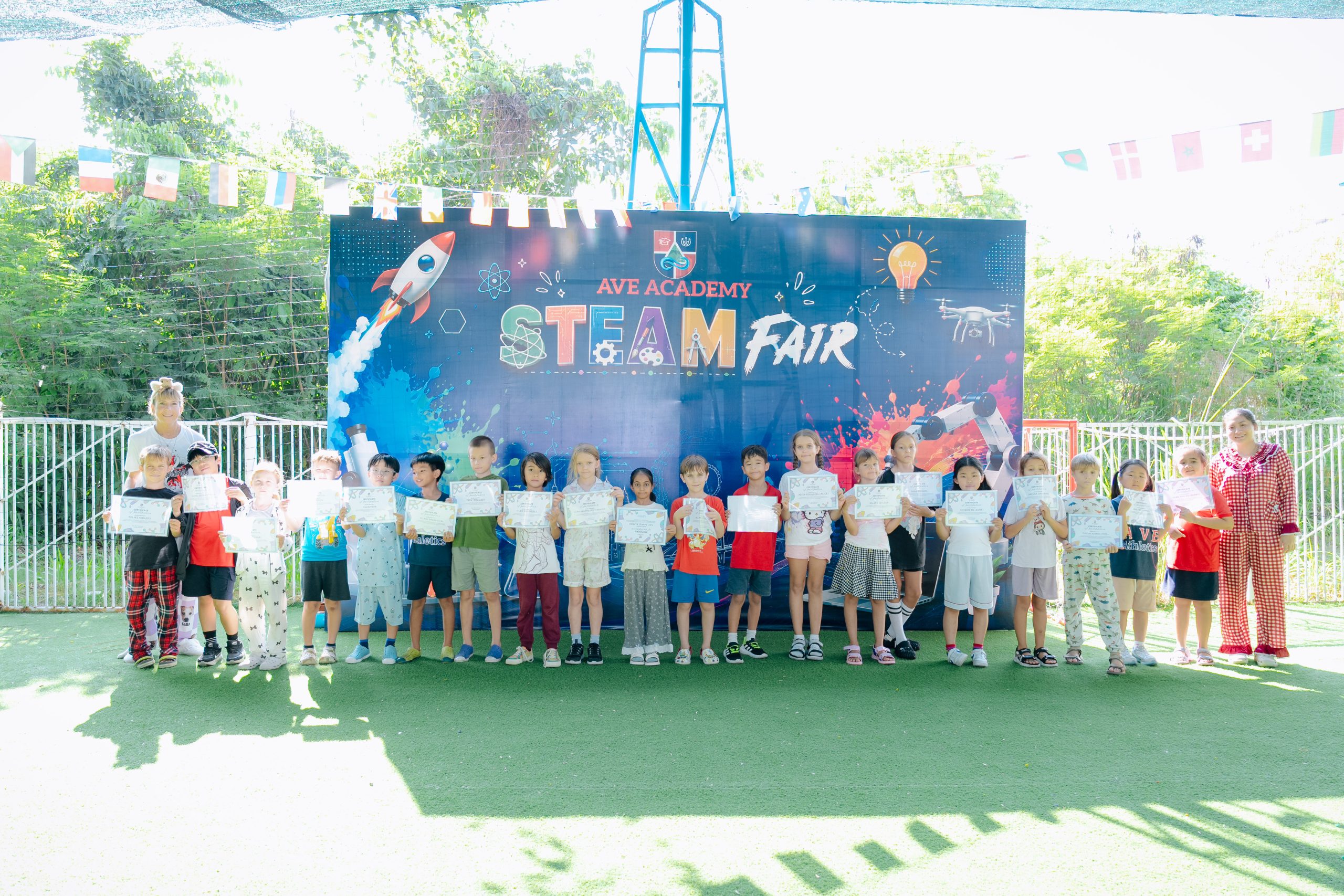
We are incredibly proud of every student who participated, every teacher who guided the process, and every parent who came along to support. The 2026 STEAM Fair was our best yet — and we already cannot wait for next year.
AVE Academy offers Cambridge Primary, Lower Secondary, and IGCSE programmes across three campuses
Website: ave.edu.vn
Email: [email protected]
Phone: +84 9320 97303